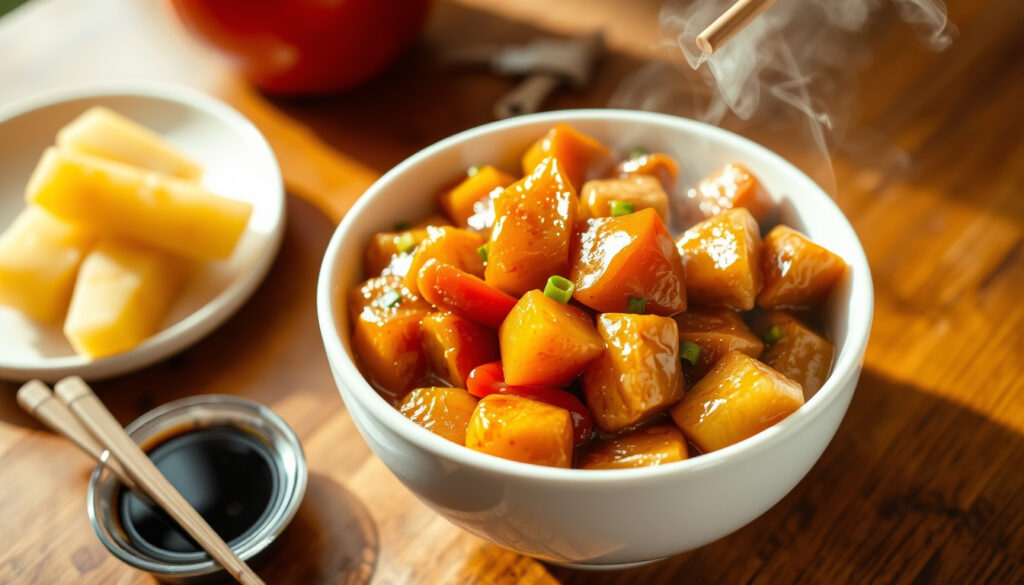
Sweet and Sour Chicken – Easy Cantonese and Family Recipes
Sweet and sour chicken is a staple of Chinese takeaway menus worldwide, but the version served in a British fast-food spot differs markedly from one found in a home kitchen in Hong Kong or Guangzhou. The dish typically features crispy chicken pieces enrobed in a glossy, tangy-sweet sauce that balances acidity with sugar. Pineapple, bell peppers, and onions are common supporting players across nearly every style.
This guide breaks down the most popular variations, from quick homemade versions that take only 25 minutes to Cantonese-inspired preparations that emphasize a balanced savory-sweet profile. It also addresses common questions about making the dish healthier, adapting it for children, and replicating the texture of a takeaway favorite.
Whether you are looking for a simple weeknight dinner or an authentic regional recipe, understanding the core components and techniques will help you achieve the desired result at home.
What is the best easy sweet and sour chicken recipe?
- Prep Time: 10 minutes
- Cook Time: 15–20 minutes
- Difficulty: Easy
- Calories (approx): 350–450 kcal per serving with rice
- Sweet and sour chicken is a versatile dish that can be adapted from traditional Cantonese to British Chinese takeaway style.
- A simple homemade sauce uses vinegar, ketchup, sugar, and soy sauce; pineapple is a common authentic addition.
- For kids, reduce or omit chili, use baked chicken pieces instead of deep-fried, and pair with steamed rice.
- Crispy coating is achieved by double-dredging in cornflour and egg, then deep-frying at 180°C.
- Most easy versions rely on ketchup as a base, using canned pineapple juice for sweetness and a simple cornstarch slurry for thickening.
- The dish is best served immediately; if preparing ahead, store the sauce and chicken separately to maintain crispness.
| Attribute | Detail |
|---|---|
| Origin | Cantonese cuisine, adapted in Western Chinese takeaways as ‘sweet and sour chicken balls’. |
| Main sauce ingredients | Rice vinegar, ketchup, sugar (or honey), soy sauce, pineapple juice. |
| Popular variations | Cantonese (lighter, more veg), British Chinese (battered balls, thick sauce), American (breaded, sweeter). |
| Cooking methods | Deep-fried for classic crispiness; baked or air-fried for lower calorie options. |
| Chicken coating | Flour, cornstarch / cornflour, egg, baking powder / baking soda in some recipes. |
| Typical vegetables | Onion, red and green bell peppers, pineapple, carrots (in some variants). |
How to make Cantonese sweet and sour chicken?
Cantonese-style sweet and sour chicken is considered by many to be the most balanced version of the dish. It typically features a thinner, more savory sauce and a lighter coating on the chicken, allowing the core ingredients to shine.
Key differences in technique
According to sources like Pups with Chopsticks and Made With Lau, the Cantonese approach often involves marinating the chicken with aromatics such as ginger, garlic, and Shaoxing wine before coating. The sauce relies on tomato paste rather than heavy ketchup, using rice vinegar or red vinegar for acidity.
A critical technique note from Pups with Chopsticks is that once the sauce and chicken are combined, they should not be cooked for too long, otherwise the batter loses its crisp texture entirely.
Sweet and sour chicken balls (British Chinese style)
The British Chinese takeaway version, popularized in the 1950s and 60s, is distinct from its Cantonese ancestor. The chicken is typically formed into balls with a thicker, spongy batter. A video on British Chinese takeaway style highlights a sauce that uses red wine vinegar, tomato paste or ketchup, and a dark ingredient for depth, paired with stir-fried onion and red peppers.
What is Mary Berry’s sweet and sour chicken recipe?
Mary Berry’s version, published on BBC Food, is noted for being a lighter take on the classic. It incorporates extra vegetables and uses less sugar compared to traditional takeaway recipes to keep the calorie count down.
The most common pitfall in making sweet and sour chicken is ending up with soggy batter. The solution, repeated across nearly every source, is to toss the fried chicken in the sauce only at the very last moment before serving. Never simmer the battered chicken in the sauce.
What is a good sweet and sour chicken recipe for kids?
Sweet and sour chicken is naturally well-suited for children thanks to its sweet, familiar flavor profile and colorful mix of pineapple and peppers. An easy family-friendly version can be made with store cupboard ingredients in around 25 minutes, as demonstrated by recipes from Taming Twins.
Dietary modifications for family meals
To make the dish more kid-friendly, the amount of vinegar can be slightly reduced to lower the tang, and any chili or white pepper can be omitted entirely. Serving the sauce on the side allows children to dip the crispy chicken pieces, which helps maintain the texture and lets them control the intensity of the flavor.
While the classic recipe is deep-fried, a healthier homemade adaptation can be achieved by baking the coated chicken pieces on a rack or using an air fryer. This significantly reduces the oil content while still providing a satisfying crunch. For more light cooking ideas, explore these Healthy Air Fryer Recipes.
Can you make sweet and sour chicken with rice?
Yes, serving sweet and sour chicken with steamed jasmine or long-grain rice is the standard accompaniment. The rice helps balance the strong, tangy-sweet sauce, making it a complete meal. A typical serving with rice contains approximately 350–450 kcal.
Nutritional values vary widely depending on the cooking method and sauce ingredients. The “healthiest” version is relative; a baked version with less sugar is lower in calories but may lack the authentic texture and mouthfeel of the deep-fried original.
How did sweet and sour chicken evolve over time?
- 1900s: Cantonese sweet and sour dishes emerge in China, originally prepared with fish or pork, using a light vinegar and sugar glaze.
- 1950s–60s: British Chinese takeaways adapt the dish for local tastes, popularizing battered “sweet and sour chicken balls” with a thick, orange-red sauce.
- 1990s–present: Health-conscious adaptations, including baked and air-fried versions with reduced sugar, appear alongside the traditional deep-fried recipes in home cooking.
Is sweet and sour chicken healthy?
| Established Information | Information That Remains Unclear |
|---|---|
| The basic recipe structure is well established: chicken, batter, and a sauce made with vinegar and sugar. | Nutritional values vary so widely by preparation that a single “healthy” label cannot be applied universally. |
| Cantonese style traditionally includes pineapple, bell peppers, and onions. | The exact origins of the British sweet and sour chicken balls are debated and not precisely documented. |
| British Chinese balls are deep-fried with a thick, orange-red sauce. | The “best” recipe is subjective, depending entirely on personal taste, dietary constraints, and regional expectations. |
| Deep-frying significantly increases the calorie and fat content compared to baking or air-frying. |
What is the difference between Cantonese and other sweet and sour chicken?
Cantonese sweet and sour chicken is a stir-fry dish with a thinner, more savory sauce that balances sweet and sour flavors closely. It generally includes pineapple, bell peppers, and onions, and the chicken has a light, crisp coating.
The British Chinese takeaway style evolved separately, adapting the dish to Western preferences for crispy, deep-fried foods. The chicken is coated in a thicker batter, formed into balls, and served with a very sweet, thick, orange-red sauce.
American versions of the dish often use breaded chicken pieces and an even sweeter, ketchup-heavy sauce, sometimes including food coloring to achieve a bright red hue. Home cooks can choose which style to replicate based on available ingredients and desired texture.
What do the experts say about sweet and sour chicken?
This recipe has extra vegetables and a bit less sugar to keep the calories down.
BBC Food (bbc.co.uk)
Try an authentic version of this classic Chinese takeaway dish, with natural sweetness and a warm chilli flavour.
BBC Good Food (bbcgoodfood.com)
Homemade crispy sweet and sour chicken with a sweet and tangy sauce made from scratch using store cupboard ingredients! Ready in 25 minutes.
Kitchen Sanctuary (kitchensanctuary.com)
What is the best takeaway from this guide?
Sweet and sour chicken is a remarkably adaptable dish that ranges from a quick 25-minute weeknight dinner to a labor-intensive takeaway replica. Whether you prefer the balanced flavors of Cantonese cooking, the nostalgic crunch of British chicken balls, or a lighter baked version at home, the fundamental principles of a crisp coating and a tangy-sweet sauce remain the same. For another classic comfort dish, try our guide on How to Make Custard.
Frequently Asked Questions
Can I use chicken thighs instead of breast?
Yes, thighs are juicier and add flavor; adjust cooking time slightly.
How do I make sweet and sour chicken gluten-free?
Use gluten-free soy sauce or tamari, and substitute cornflour for the batter instead of wheat flour.
Can I freeze sweet and sour chicken?
Yes, cool completely, store in airtight container for up to 3 months. Reheat in oven or air fryer to restore crispiness.
What can I substitute for rice vinegar?
White wine vinegar or apple cider vinegar, though the flavor will differ slightly.
How do I make it less sweet?
Reduce sugar to 2 tablespoons and add a splash more vinegar, or use a sugar substitute.
Can sweet and sour chicken be made without deep frying?
Yes, the coated chicken pieces can be baked on a rack in the oven or cooked in an air fryer for a lighter version.
What is the best way to reheat leftovers?
To preserve crispiness, reheat in an oven or air fryer rather than a microwave.
More related posts
 Kevin De Bruyne – Napoli Move, Age, Injury & Stats 2025
 Blood Pressure – Normal Ranges, Charts, and Expert Insights
 Icelandic Krona to GBP – Convert ISK to GBP With the Best Rate
 Jordan Spieth – Net Worth, Wife, Kids and Career Update 2025
 Bruce Springsteen Tour 2025 – Dates Tickets and What’s Next
 Ho Chi Minh – Biography, Legacy and Travel Guide
 Tom Ackerley – Biography, Net Worth, and Marriage to Margot Robbie
 Lee Min-Ho – From South Korea to the World