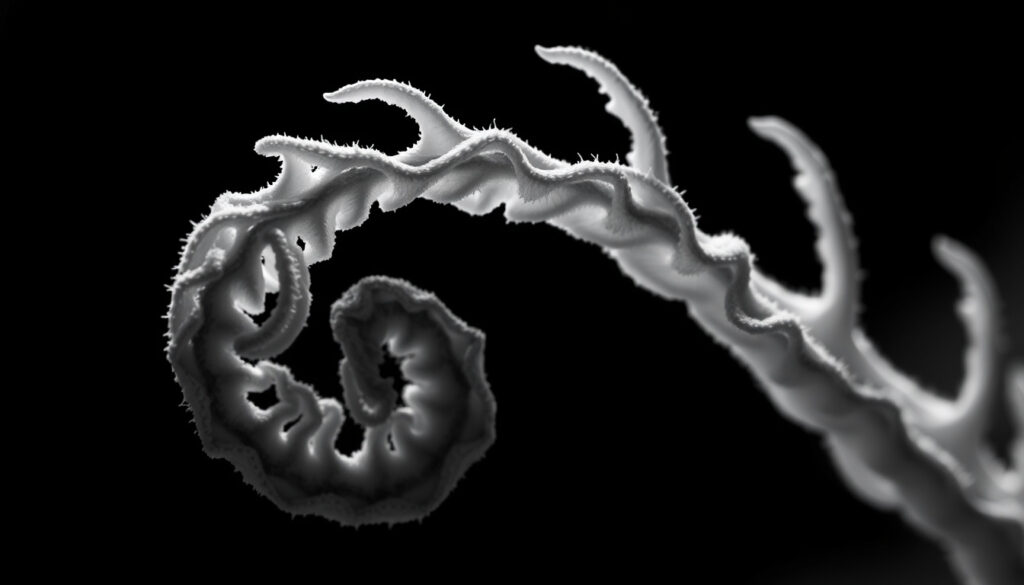
Karl Blossfeldt – The Man Who Turned Plants into Art
Karl Blossfeldt was a German photographer, sculptor, and teacher whose stark, magnified images of plants transformed botanical study into high art. His most famous work, Art Forms in Nature, cemented his legacy as a pioneer of close-up photography and a key figure in the New Objectivity movement. Despite a career rooted in sculpture and teaching, Blossfeldt’s photographs continue to influence artists, designers, and scientists alike.
Born in Schielo, Germany, on June 13, 1865, Blossfeldt initially trained as a sculptor. He spent over three decades photographing plant forms, using homemade cameras to capture details invisible to the naked eye. His work was not originally conceived as art but as a teaching tool for his students. Yet its precision and beauty turned it into something far more enduring.
Blossfeldt died in Berlin on December 9, 1932, leaving behind a body of work that blurred the boundaries between science, art, and design. Today, his photographs are held in major museums worldwide, including the Museum of Modern Art (MoMA) and the International Center of Photography.
Who Was Karl Blossfeldt? A Biography of the German Photographer
- Karl Blossfeldt bridged sculpture and photography, creating a new visual language for botanical forms.
- His work influenced Surrealism, New Objectivity, and continues to inspire modern design and 3D art.
- Blossfeldt’s images were originally used as teaching tools, not fine art, yet became iconic in photography history.
- The book Art Forms in Nature remains one of the most reprinted photography books of all time.
| Attribute | Details |
|---|---|
| Name | Karl Blossfeldt |
| Birth | 13 June 1865, Schielo, Germany |
| Death | 9 December 1932, Berlin, Germany |
| Nationality | German |
| Profession | Photographer, Sculptor, Teacher |
| Movement | Neue Sachlichkeit (New Objectivity) |
| Famous For | Close-up plant photography, Art Forms in Nature |
| Key Museums | MoMA, ICP, Michael Hoppen Gallery |
Blossfeldt began his artistic journey with apprenticeships at an ironworks and foundry in Mägdesprung, followed by studies at the Kunstgewerbeschule in Berlin. He trained as a sculptor and later taught sculpture, drawing heavily from natural plant forms. According to Michael Hoppen Gallery, his background as a sculptor rather than a photographer shaped his unique eye for structure and form.
MoMA notes that Blossfeldt devoted 35 years to photographing botanical subject matter. His images were not spontaneous snapshots but careful, deliberate studies of nature’s architecture. This long-term dedication allowed him to develop a body of work that remains unmatched in its consistency and clarity.
What Was Karl Blossfeldt’s Artistic Style?
Blossfeldt’s style is instantly recognizable. He used extreme close-up, macro-like framing to capture plants, leaves, seed heads, twigs, and stems. The results were images of sharp focus and documentary clarity, far removed from the soft-focus pictorialism popular in his era. The emphasis was always on form, structure, symmetry, and surface detail.
Why Are His Close-Up Images Considered Sculptural?
Blossfeldt’s photographs make plants look almost sculptural. He achieved this by using homemade or modified cameras with magnifying lenses that enlarged plant surfaces far beyond their natural size. A simple fern or horsetail under his lens became a monumental, architectural form. The International Center of Photography (ICP) describes his work as objective and precise, turning organic matter into structural art.
How Was Blossfeldt’s Work Received by the Surrealists?
While Blossfeldt is most closely associated with the New Objectivity movement, his work also resonated with Surrealists. They admired the strange, dreamlike quality of his magnified plants, which seemed to reveal a hidden, almost alien world. His images were included in Surrealist exhibitions and publications, further cementing his cross-movement influence.
Blossfeldt’s images sit at the intersection of art, science, and education. They were created as teaching aids for his students, yet they transcended their original purpose to become icons of modernist photography.
How Did Karl Blossfeldt Die?
Karl Blossfeldt died in Berlin on December 9, 1932, at the age of 67. Most major sources agree on this date, though one gallery source lists December 3, 1932, which appears to be an error. The exact cause of death is not widely documented; sources generally state natural causes but lack specificity.
His final years were spent in Berlin, where he had taught and worked for decades. He remained active in his studio and classroom until the end, leaving behind a legacy that would only grow after his death.
What Is the Book ‘Art Forms in Nature’?
Art Forms in Nature, originally published in German as Urformen der Kunst, is Blossfeldt’s most famous work. The publication date is given as 1928 or 1929, depending on the source, likely reflecting differences in editions or secondary-source variations. The book was intended as a teaching aid for students of sculpture and design, but it quickly became recognized as an important artistic publication.
The book contains 120 plates of Blossfeldt’s photographs, each showing a different plant or plant part in extreme detail. It became an instant success and has been reprinted many times. Its influence extends beyond photography into architecture, graphic design, and even 3D modeling, where Blossfeldt’s botanical forms are still used as reference material.
Art Forms in Nature was so influential that it is often credited with helping to define the visual language of the New Objectivity movement. It remains one of the most reprinted photography books in history.
Why Is Karl Blossfeldt Considered a Pioneer of Macro Photography?
Blossfeldt is widely regarded as a pioneer of macro photography because of his innovative use of homemade cameras with magnifying lenses. He was able to enlarge plant surfaces up to 30 times their natural size, revealing details that had never been seen before in photography. His work predated and predicted the macro photography boom of the 21st century.
What Camera Equipment Did Blossfeldt Use?
Blossfeldt built and modified his own cameras to achieve the extreme close-ups he desired. He used a large-format camera with specially adapted bellows and lenses that allowed him to focus at very short distances. This homemade equipment gave him complete control over the image-making process, from lighting to composition.
What Plants Did Karl Blossfeldt Photograph?
He photographed a wide variety of plants, including ferns, horsetails, ivy, seed pods, and many others. His focus was always on structural details — the spiral of a fern frond, the repeating pattern of a seed head, the surface texture of a leaf. He was less interested in the plant as a whole than in its individual components.
Timeline of Karl Blossfeldt’s Life
- — Born in Schielo, Germany
- — Apprenticeship and study at the Royal Museum of Arts and Crafts, Berlin
- — Worked as a sculptor; began photographing plants as teaching aids
- — Developed his signature macro photography style using self-built cameras
- — Published Urformen der Kunst (Art Forms in Nature)
- — Exhibited at the Film und Foto exhibition in Stuttgart, gaining international fame
- — Died in Berlin at age 67
What Is Known and What Remains Uncertain About Blossfeldt?
Established Information
- Karl Blossfeldt was born June 13, 1865 and died December 9, 1932.
- He was a German photographer and sculptor.
- He is best known for close-up photographs of plants.
- His book Art Forms in Nature was published in 1928.
Information That Remains Unclear
- Exact cause of death is not widely documented; sources state natural causes but lack specificity.
- Exact number of original prints he produced is unknown.
Artistic Significance and Lasting Influence
Blossfeldt’s work sits at the intersection of art, science, and education. His images challenge the boundary between photography and sculpture, turning ordinary plant parts into images that look simultaneously scientific, sculptural, and abstract. His influence extends into modern design, where designers and 3D artists still reference his botanical forms.
He helped define a modernist visual language that rejected painterly blur and emphasized precision, structure, and direct observation. His work is a direct precursor to the macro photography boom of the 21st century and remains essential viewing for anyone interested in the relationship between art and nature.
Quotes and Sources About Karl Blossfeldt
Blossfeldt’s photographs are often described by curators as “an indispensable bridge between art and nature.” This phrase, frequently cited in museum contexts, captures the dual legacy of his work. Major sources include Wikipedia, MoMA, the Southbank Centre, and the International Center of Photography. His work is also represented commercially by galleries such as Michael Hoppen Gallery.
“Blossfeldt’s photographs are an indispensable bridge between art and nature.”
— Frequently cited by curators and museum texts
Summary: The Legacy of Karl Blossfeldt
Karl Blossfeldt remains one of the most important figures in botanical photography and the New Objectivity movement. His images, originally created as teaching tools, have become iconic works of art that continue to influence photographers, designers, and 3D artists. For further reading, explore the dedicated Karl Blossfeldt research article to deepen your understanding of his life and work.
Frequently Asked Questions
How did Karl Blossfeldt take his photographs?
He used a self-built, large-format camera that allowed extreme close-ups, often magnifying subjects up to 30 times their natural size.
What plants did Karl Blossfeldt photograph?
He photographed a wide variety of plants, including ferns, horsetails, ivy, and seed pods, often focusing on structural details.
Why is Karl Blossfeldt important in photography history?
He pioneered scientific macro photography as an art form and influenced major movements including Surrealism and New Objectivity.
What is the book ‘Art Forms in Nature’ about?
It is a collection of 120 close-up photographs of plants, originally created as a teaching aid for design and sculpture students.
Was Karl Blossfeldt a sculptor or a photographer?
He began his career as a sculptor and later used photography as a tool for teaching and artistic expression, becoming famous for his plant photographs.
Where can I see Karl Blossfeldt’s photographs today?
His work is held in major collections including MoMA, the ICP, and the Michael Hoppen Gallery.
What is the New Objectivity movement?
It is a German art movement that emerged in the 1920s, emphasizing objectivity, clarity, and a rejection of romanticism and expressionism.
How did Karl Blossfeldt’s training as a sculptor influence his photography?
It gave him an exceptional eye for form, structure, and symmetry, which he applied directly to his plant photographs.
Did Karl Blossfeldt use color photography?
No, all his known photographs are black and white. This choice emphasized form and texture over color.
What impact did Blossfeldt have on modern design?
His images have been widely referenced in graphic design, architecture, and 3D modeling due to their strong structural qualities.
More related posts
 The Woman in the House Across the Street – Ending and Cast Guide
 Benjamin Zephaniah – Biography, Cause of Death, and Legacy
 Leonard Nimoy – Cause of Death, Net Worth and Spock Legacy
 UK Pensioners PIP Backdated Payments 2025 – Eligibility, How to Claim
 Zara Phillips – Royal Equestrian vs Singer Disambiguation
 Real Madrid vs Juventus FC Stats – Head-to-Head Record and History
 Samsung Galaxy Tab A9+ – Full 2025 Review, Price & Specs
 Mick Hucknall – Net Worth Daughter and Simply Red Songs 2025