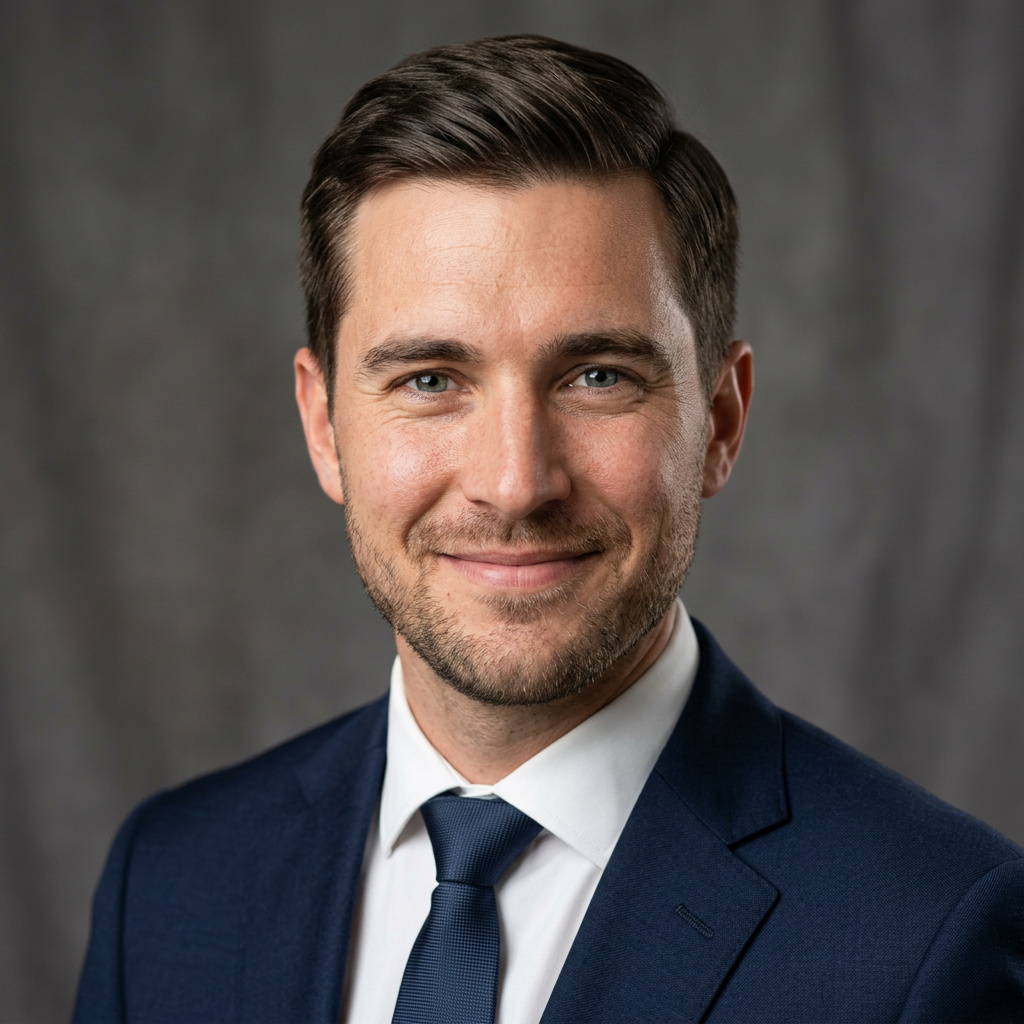
Philip Seymour Hoffman – Biography, Death, and Legacy
Philip Seymour Hoffman, who died at 46 in 2014, left behind a body of work that continues to define American cinema. From his Oscar-winning turn as Truman Capote to scene-stealing roles in Boogie Nights and The Hunger Games, his career remains a benchmark for dramatic intensity. This article covers the facts of his death, his family, his most important films, and the legacy he left behind.
An actor of extraordinary range, Hoffman built a reputation on playing complicated, often troubled characters with unflinching honesty. He worked steadily for more than two decades, collaborating with directors such as Paul Thomas Anderson and earning the admiration of peers across the industry. His sudden death from an accidental overdose sent shockwaves through Hollywood and beyond.
What follows is a fact-based account of his life and career, drawn from authoritative sources including Wikipedia, The Guardian, and the New York Times. No speculation is offered where official records are silent.
How Did Philip Seymour Hoffman Die?
July 23, 1967, Fairport, New York, USA
February 2, 2014 (age 46), Manhattan, New York, USA
Acute mixed drug intoxication (heroin, cocaine, benzodiazepines, amphetamine)
Academy Award winner (Capote), iconic roles in Boogie Nights, Magnolia, The Master, The Hunger Games
Key Facts at a Glance
- Hoffman’s death was ruled accidental, caused by a cocktail of drugs including heroin and cocaine.
- He was posthumously voted the greatest actor of the 21st century in a 2024 ranking by The Guardian.
- His son, Cooper Hoffman, made his acting debut in the 2021 film Licorice Pizza.
- Hoffman was known for his intense method acting and versatility across independent and mainstream cinema.
- He received three Tony Award nominations for his theater directing work.
- His final film appearances were released posthumously in The Hunger Games: Mockingjay – Part 2.
| Fact | Detail |
|---|---|
| Full Name | Philip Seymour Hoffman |
| Birth | July 23, 1967, Fairport, New York |
| Death | February 2, 2014, Manhattan, New York (age 46) |
| Occupation | Actor, director, producer |
| Years Active | 1991–2014 |
| Partner | Mimi O’Donnell (1999–2014; his death) |
| Children | Cooper Hoffman (son), Tallulah Hoffman (daughter), Willa Hoffman (daughter) |
| Notable Awards | Academy Award for Best Actor (Capote, 2005), BAFTA, Golden Globe, Emmy nomination |
| Last Film | The Hunger Games: Mockingjay – Part 2 (posthumous release) |
What Was the Official Cause of Death?
The New York City Medical Examiner’s Office ruled that Hoffman died from acute mixed drug intoxication. The substances identified included heroin, cocaine, benzodiazepines, and amphetamine. Investigators found him with a syringe still in his arm and two open envelopes of heroin beside him, according to reports from the scene.
The death was classified as accidental. There is no credible evidence of foul play or suicide, and officials have consistently maintained that finding. Hoffman had a long-documented struggle with addiction, which he had discussed in interviews over the years.
How Old Was He at the Time of Death?
He was 46 years old. Hoffman was discovered in his apartment in Greenwich Village, Manhattan, on the morning of February 2, 2014. A friend had grown concerned after he failed to pick up his three children on a Sunday, as was his routine.
Who Was Philip Seymour Hoffman’s Family?
Who Was His Partner?
Hoffman met Mimi O’Donnell, a costume designer, in 1999 while he was directing the play In Arabia We’d All Be Kings. They became partners and remained together until his death. O’Donnell is not his wife in a legal sense — the couple never married, though they were in a long-term committed relationship.
The pair had three children: a son, Cooper Hoffman, and two daughters, Tallulah and Willa. Hoffman was known to be fiercely protective of his private life and rarely spoke about his family in public.
Despite his fame, Hoffman kept his children out of the spotlight. Friends and colleagues described him as a devoted father who structured his work schedule around family commitments. He died on a Sunday afternoon while his children were with their mother.
What Happened to His Son, Cooper Hoffman?
Cooper Hoffman was born around 2004 and chose to follow his father into acting. He made his feature film debut in Paul Thomas Anderson’s Licorice Pizza (2021), a coming-of-age story set in 1970s Los Angeles. Anderson had been a close friend and frequent collaborator of Philip Seymour Hoffman.
Cooper’s performance was widely praised, with many critics noting a natural screen presence reminiscent of his father’s. He is expected to continue building a career in film and television.
What Were Philip Seymour Hoffman’s Most Famous Movies?
What Was His Role in The Hunger Games Series?
Hoffman played Plutarch Heavensbee, the Head Gamemaker who secretly aids the rebellion, in The Hunger Games: Catching Fire (2013) and The Hunger Games: Mockingjay – Part 1 (2014) and Part 2 (2015). The role introduced him to a younger, global audience and showcased his ability to bring gravitas to a blockbuster franchise.
His scenes in Mockingjay – Part 2 were completed before his death and were released posthumously. The production did not recast the role, instead writing the character’s storyline to respect his memory.
Which Movie Was His Final Performance?
Hoffman’s final completed film performance was as Plutarch Heavensbee in The Hunger Games: Mockingjay – Part 2, released in November 2015. He had also completed work on A Most Wanted Man (2014) and appeared in the documentary And So It Goes (2014) before his death.
At the time of his death, he had been cast in the final two installments of The Hunger Games series and was in pre-production for other projects. No unfinished performances were released posthumously beyond what he had already completed.
What Were His Best Performances?
Critics frequently cite his work in Capote (2005) as his finest, a transformation that earned him the Academy Award, Golden Globe, and BAFTA for Best Actor. His supporting roles in Boogie Nights (1997), Magnolia (1999), and Almost Famous (2000) are also regarded as career-defining.
Other standout performances include his portrayal of Lancaster Dodd in The Master (2012), his turn as a quietly desperate man in Synecdoche, New York (2008), and his work in The Talented Mr. Ripley (1999) and Moneyball (2011). He consistently elevated even small roles into memorable scenes.
What Is Philip Seymour Hoffman’s Lasting Legacy?
What Major Awards Did He Win?
Hoffman won the Academy Award for Best Actor for his portrayal of Truman Capote in Capote (2005). He also received the Golden Globe Award for Best Actor in a Motion Picture – Drama and the Los Angeles Film Critics Association Award for the same role. Earlier in his career, he earned an Emmy nomination for his work on television.
In theater, he received three Tony Award nominations for directing: for True West, Long Day’s Journey into Night, and Death of a Salesman. His work as a stage director was highly respected within the New York theater community.
In 2024, The Guardian ranked Hoffman as the greatest actor of the 21st century in a widely discussed poll. The ranking cited his emotional depth, versatility, and ability to transform into any character without visible effort.
How Is He Remembered Today?
Hoffman’s body of work continues to be studied and admired. His performances are frequently referenced in acting classes and retrospectives, and his films maintain strong streaming viewership more than a decade after his death.
The acting community has kept his memory alive through tributes and the ongoing career of his son, Cooper. While no major foundation or annual award bears his name, his influence persists in the performances of actors who cite him as an inspiration. Hoffman’s legacy is ultimately the work itself — a filmography that remains remarkably consistent in its quality and emotional power.
Hoffman’s death was a stark reminder of the dangers of addiction, even for those with resources and support. He had sought treatment multiple times over the years, and reports suggest he had relapsed shortly before his death. His case continues to be referenced in discussions about substance abuse in the entertainment industry.
What Were the Key Milestones in Philip Seymour Hoffman’s Life and Career?
- 1967 — Born in Fairport, New York.
- 1991 — First film role in Triple Bogey on a Par Five Hole.
- 1997 — Breakthrough role in Boogie Nights.
- 1999 — Starred in Magnolia and The Talented Mr. Ripley.
- 2005 — Won Academy Award for Best Actor for Capote.
- 2012 — Played Plutarch Heavensbee in The Hunger Games franchise.
- 2013 — Starred in The Master and A Most Wanted Man.
- 2014 — Found dead on February 2; cause of death: accidental overdose.
- 2015 — Last film appearances posthumously released in The Hunger Games: Mockingjay – Part 2.
What Facts About Philip Seymour Hoffman’s Death Are Confirmed?
| Established Information | Information That Remains Unclear |
|---|---|
| The cause of death is definitively established as acute mixed drug intoxication by the New York City Medical Examiner’s Office. | No single source explains why he relapsed after a period of sobriety, and his family has not released further details about his treatment history. |
| There is no credible evidence of foul play or suicide; the death was ruled accidental. | Rumors about a staged death or conspiracy theories persist online, but they are unfounded and contradicted by official records. |
| Investigators found a syringe in his arm and two open envelopes of heroin at the scene. | The exact timeline of his final hours — including who he may have spoken with — has not been publicly documented. |
What Was Philip Seymour Hoffman’s Early Life Like?
Hoffman was born in Fairport, New York, a suburb of Rochester, to Marilyn Loucks, a lawyer and judge, and Gordon Stowell Hoffman, who worked at Xerox. He was the second of four children. His ancestry is mostly German, Irish, English, and Dutch.
As a child, he was more interested in athletics than acting. A wrestling injury in his teens sidelined him from sports and led him to theater. At age 12, his mother took him to a local production of Arthur Miller’s All My Sons, a experience he later described as deeply formative.
He attended the New York State Summer School of the Arts at 17 and went on to earn a Bachelor of Fine Arts in Drama from New York University’s Tisch School of the Arts in 1989. After graduating, he began working in off-Broadway theater before transitioning to film.
What Do Fellow Actors and Critics Say About Philip Seymour Hoffman?
“He was the greatest actor of his generation.”
— Meryl Streep
“He had a gift for making the audience feel the character’s pain.”
— Paul Thomas Anderson
“His death was a tragic loss to the art of film.”
— Barack Obama (tribute)
These tributes, drawn from public remarks and published interviews, reflect the profound impact Hoffman had on those who worked with him. Directors, co-stars, and critics consistently describe him as generous, intense, and deeply committed to his craft.
What Is the Enduring Significance of Philip Seymour Hoffman’s Career?
Hoffman’s career stands as a model of artistic integrity in a commercial industry. He chose roles based on dramatic interest rather than box office potential, and his willingness to play unsympathetic characters expanded the possibilities for serious American film acting. His work continues to be discovered by new audiences, and his influence is visible in the generation of actors who followed him. His son, Cooper Hoffman, carries the name forward, but the body of work itself remains the foundation of his legacy.
Frequently Asked Questions
What was Philip Seymour Hoffman’s height?
He was 5 feet 10 inches (178 cm) tall, according to public records.
What was Philip Seymour Hoffman’s net worth?
Various estimates place his net worth at the time of death between $35 million and $50 million, though no official figure has been confirmed.
How did Philip Seymour Hoffman start his acting career?
He began in off-Broadway theater after graduating from NYU, then made his feature film debut in the indie Triple Bogey on a Par Five Hole (1991).
Did Philip Seymour Hoffman direct any movies?
Yes, he directed the film Jack Goes Boating (2010), based on a play he also directed. He received positive reviews for his directorial work.
What was Philip Seymour Hoffman’s role in Almost Famous?
He played Lester Bangs, the real-life rock critic, in Cameron Crowe’s semi-autobiographical film (2000). His performance is a fan favorite.
Was Philip Seymour Hoffman married?
No, he was never married. He was in a long-term partnership with costume designer Mimi O’Donnell from 1999 until his death.
What is Philip Seymour Hoffman’s full name?
His full name was Philip Seymour Hoffman. He did not have a middle name beyond Seymour, which was also his mother’s maiden name.
Where is Philip Seymour Hoffman buried?
His burial location has not been publicly disclosed. His family held a private funeral and have not released the site to the public.
More related posts
 Bradley Dack – Net Worth, Salary, Career Stats & Wife
 Mark Ruffalo – Movies, Net Worth, Wife and Biography
 Peter Dinklage – Biography, Net Worth, Family, and Game of Thrones Legacy
 Hema Malini – Biography, Husband, Age, and Political Party
 Robin Hood – Legend, Movies, History and Real Locations
 Lynda Baron – Cause of Death, Husband and TV Legacy
 Ben Starr – The Voice of Clive Rosfield in FFXVI
 Visas Australia – Complete Guide for UK Citizens 2025