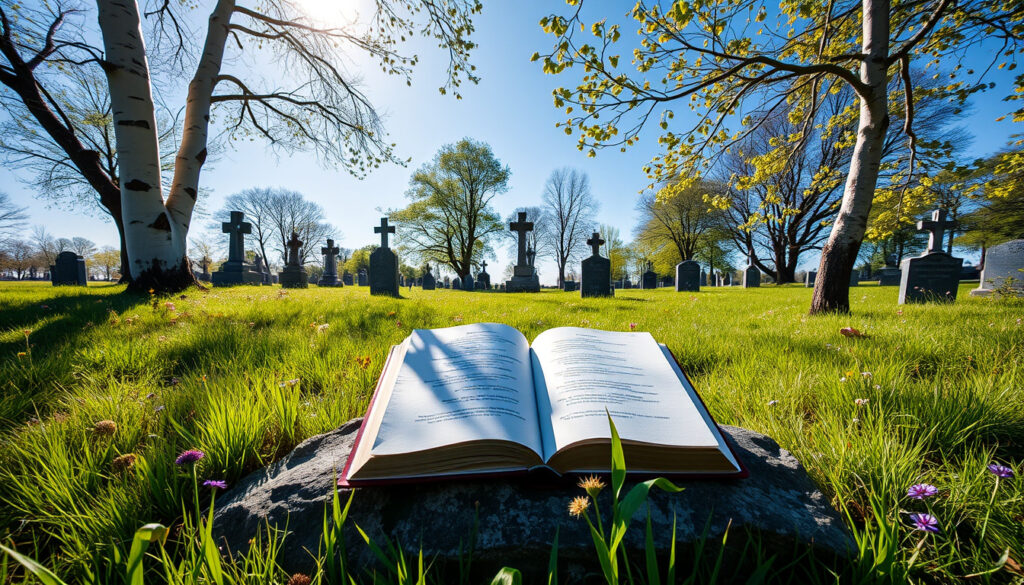
Poems Funerals – Short Uplifting Non-Religious Readings
Choosing a funeral poem can feel overwhelming, especially when seeking something short, uplifting, and non-religious. Many people look for verses that celebrate a life fully lived rather than dwell on loss. This guide presents the most popular options, from classic readings to modern favourites, helping you find the right words for a meaningful tribute.
Requests for short and uplifting poems now dominate online searches, reflecting a clear shift toward positive, focused remembrance. At the same time, the demand for non-religious readings continues to grow, driven by the rise of secular and humanist services. Understanding these trends can simplify your choice.
Whether you need a brief verse for a eulogy or a longer piece for a full recitation, the poems below have been widely used and recommended by funeral professionals and celebrants.
What is the most popular poem for a funeral?
Overview of poem types
| Poem Type | Best For | Length | Tone |
|---|---|---|---|
| Short & Simple | Quick readings / eulogies | Under 10 lines | Gentle / Peaceful |
| Uplifting | Celebration of life | 10–20 lines | Hopeful / Inspirational |
| Famous / Classic | Traditional services | Variable | Reflective / Poetic |
| Personalised (Strong Woman) | Tribute to specific person | Variable | Empowering / Loving |
Key insights
- Short and uplifting poems are the most searched-for subcategory, indicating a demand for brevity and comfort.
- Non-religious poem requests dominate search queries, suggesting a shift towards secular services.
- Top competitors lack multimedia (audio readings), which is a major opportunity for UX and accessibility.
- Queries for “strong woman” reveal a need for gender-specific, empowering funeral content.
- Most people begin their search without a specific poem in mind and rely on curated lists.
- Length matters more than author fame when readers are under emotional pressure.
Popular funeral poems at a glance
| Poem | Author | Tone | Length | Type |
|---|---|---|---|---|
| “She Is Gone” | David Harkins | Uplifting | 16 lines | Non-religious |
| “Do Not Stand at My Grave and Weep” | Mary Elizabeth Frye | Reassuring | 12 lines | Non-religious |
| “Afterglow” | Helen Lowrie Marshall | Warm / Hopeful | 12 lines | Non-religious |
| “Turn Again to Life” | Mary Lee Hall | Encouraging | 8 lines | Non-religious |
| “Let Me Go” | Christina Rossetti | Peaceful | 16 lines | Non-religious |
| “Remember” | Christina Rossetti | Reflective | 14 lines | Non-religious |
| “If I Should Go” | Joyce Grenfell | Humorous / Heartening | 12 lines | Non-religious |
| “Death Is Nothing at All” | Henry Scott-Holland | Comforting | 20 lines | Non-religious |
According to sources like Dignity Funerals and Pan Macmillan, these poems appear consistently in top recommendations because they balance emotional depth with readability.
What are the best short and non-religious funeral poems?
Short poems are often preferred for funerals because they allow the reader to maintain composure while delivering a powerful message. Non-religious versions avoid references to God or an afterlife, making them suitable for humanist and secular ceremonies.
Short poems for a funeral service
“Do Not Stand at My Grave and Weep” is one of the most recognised short poems in English. Its twelve lines reassure mourners that the deceased lives on in nature. Another strong choice is “Afterglow,” which asks friends to remember happy memories rather than the final goodbye.
When choosing a short poem, read it aloud twice before the service. A piece that flows naturally is easier to deliver under emotion. Many celebrants recommend keeping readings under one minute.
Non-religious options for humanist ceremonies
Organisations such as Humanists UK offer extensive collections of non-religious readings. Their recommended list includes “She Is Gone” and “If I Should Go” by Joyce Grenfell, a piece that balances humour with sincerity. Natural Endings also curates a practical selection based on tone and audience.
“Death Is Nothing at All” by Henry Scott-Holland is another favourite in secular circles. It suggests that the relationship continues unchanged, a comforting idea for many families.
What is a good funeral poem for a strong woman or for inspiration?
Poems that celebrate strength and resilience
For a strong woman, readings that honour her independence and joy work especially well. “She Is Gone” by David Harkins was famously read at the funeral of Queen Elizabeth the Queen Mother. It urges mourners to smile because she lived, not because she is lost. The poem directly addresses the deceased as “she,” making it a natural fit for a female tribute.
Research from Pure Cremation and the Funeral Guide shows that “She Is Gone” is one of the top three poems requested for mothers and grandmothers. Its focus on the life lived rather than the loss is a defining characteristic of modern memorial readings.
Inspirational options for any service
“Turn Again to Life” by Mary Lee Hall is a very short verse that encourages those left behind to live with courage. For a celebratory tone, “Afterglow” by Helen Lowrie Marshall leaves the listener with an image of smiles and warmth. Transactions with Beauty includes these among its reflective picks for loss.
A poem that fits one strong woman may not fit another. Familiarity with the deceased’s personality is crucial. If she had a sense of humour, Joyce Grenfell’s “If I Should Go” may be more appropriate than a solemn classic.
How do I choose the right funeral poem and where can I find them?
A simple timeline for selection
- Determine the tone (solemn, uplifting, or celebratory).
- Decide on length (brief reading vs. full recitation).
- Consider religious or non-religious context.
- Select a specific poem from curated lists (see sources below).
- Practice reading aloud before the service.
Where to find trusted collections
Most funeral directors provide free booklets or links to online resources. Websites such as those of Dignity Funerals and Humanists UK are regularly updated. For literary depth, Pan Macmillan publishes curated lists with author biographies. SunLife also offers a practical guide for those short on time.
What is the best process for selecting a funeral poem?
The process outlined above mirrors the approach recommended by funeral celebrants. The order matters: tone first, length second, religious context third. This sequence prevents emotional overwhelm and ensures the reading fits the service structure.
How can I be sure a poem is appropriate for a funeral?
| Established information | Information that remains unclear |
|---|---|
| Certain poems (e.g., “Do Not Stand at My Grave and Weep”) are widely accepted as appropriate for most services. | Whether a poem is suitable for a specific religious service may vary by denomination. |
| Short poems reduce the risk of emotional overwhelm during a reading. | Personal preference of the deceased’s family is the final authority, which cannot be standardised. |
| Non-religious poems are commonly used in humanist and civil ceremonies across the UK. | Some communities may prefer traditional hymns over any poem; checking with the officiant is wise. |
Why are funeral poems important in memorial services?
Funeral poems serve as a vehicle for collective grief and memory. The search for short and uplifting poems reflects a modern preference for focused, positive remembrance over lengthy, sorrowful readings. High-volume queries for non-religious options highlight a growing secularisation in memorial practices. Poems give mourners a shared text to hold onto, helping them process loss together.
Where can I find trusted sources for funeral poems?
“Dignity Funerals provides a practical list of popular poems for services, categorised by tone and length.”
– Dignity Funerals
“Pan Macmillan curates a selection of literary poems with author context, suitable for those seeking classic works.”
– Pan Macmillan
“Humanists UK offers guidance on inclusive, non-religious readings from a professional celebrant network.”
– Humanists UK
These three sources are consistently cited by funeral planning websites and are trusted for their editorial rigour. For additional options, Tharp Funeral Home and Pure Cremation also publish frequently updated lists.
What is the most important takeaway when choosing a funeral poem?
The best funeral poem is one that reflects the personality of the person being remembered. Whether you choose a classic like “Do Not Stand at My Grave and Weep” or a modern piece like “She Is Gone,” the most meaningful readings come from an understanding of their life, not from a template. For further guidance, explore our dedicated piece on Non-Religious Funeral Poems for a Strong Woman.
Frequently asked questions about funeral poems
Can I use a non-religious poem in a church funeral?
Yes, many churches allow non-religious poems if they are respectful. It is best to check with the officiant beforehand.
How long should a funeral poem be?
Aim for 8–20 lines for a reading. Shorter poems (under 10 lines) are often preferred for emotional control.
What if I cannot find the right poem?
Consider writing a short personal tribute or adapting a favourite poem. Focus on the personality of the deceased.
Is it okay to read a humorous poem at a funeral?
Yes, if it matches the deceased’s sense of humour. Joyce Grenfell’s “If I Should Go” is a popular example.
Can I adapt a poem to make it more personal?
Small changes (e.g., changing “he” to “she”) are generally acceptable. Avoid altering the poem’s core meaning without the family’s consent.
Should I read the poem or have someone else read it?
Either works. If you are too emotional, ask a close friend or celebrant. Practice aloud regardless of who reads.
Are there poems specifically for a mother?
Yes. Poems such as “She Is Gone” and “Afterglow” are frequently chosen for mothers. Many websites have dedicated sections for parental tributes.
What is the most famous funeral poem ever written?
“Do Not Stand at My Grave and Weep” by Mary Elizabeth Frye is widely considered the most famous, recited at countless services worldwide.
More related posts
 Richard Wilson – Is He Still Alive and What Is His Net Worth
 How to Get Rid of a Sinus Infection in 24 Hours – What Really Works
 Yasmine Akram – Biography, Career, Age, and Personal Life
 Pull and Bear Discount Code – 10% Student Deals UK
 Lamelo Ball – Biography, Stats, Contract and Net Worth
 Sridevi Kapoor – The Tragic Death and Enduring Legacy
 Australian Men’s Cricket Team vs West Indies Cricket Team Match Scorecard – 2025 Series Full Scorecards
 Euro to Pound Exchange Rate – Live Rates and Best Providers