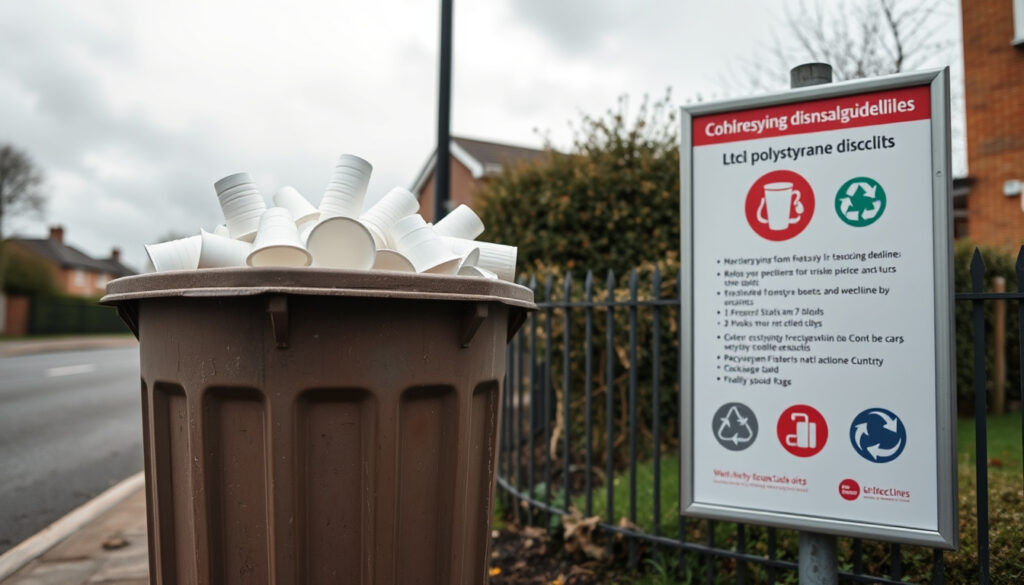
Can You Recycle Polystyrene – UK Guide to Council Rules
Polystyrene appears in countless packaging forms, from protective foam in electronics boxes to disposable takeaway containers. Yet disposing of it responsibly remains a challenge for UK households. The answer to whether you can recycle polystyrene depends heavily on where you live, what type of material you have, and whether specialist processing facilities are accessible in your area.
Unlike paper, cardboard, or glass, polystyrene lacks widespread kerbside collection infrastructure in Britain. Most councils do not accept it through standard household recycling bins, though exceptions exist at dedicated recycling centres and through private collectors. Understanding these distinctions can help you avoid contaminating your recycling and find the most responsible disposal route.
Can You Recycle Polystyrene?
The short answer is yes, polystyrene can be recycled, but not through conventional domestic recycling channels in most parts of the UK. Standard household collections almost universally exclude this material due to its lightweight, bulky nature and tendency to become contaminated with food residue. Processing polystyrene requires specialised equipment that most local authority facilities lack.
Key Points to Understand
- Polystyrene is not commonly recycled through standard household collections in the UK, according to established recycling guidance from RecycleNow and other official sources.
- Some councils accept expanded polystyrene at specialist recycling centres, but policies differ significantly across regions.
- The type of polystyrene matters considerably—expanded polystyrene (EPS) packaging is more likely to be accepted than food containers or coloured variants containing fire retardants.
- Commercial and specialist providers exist for larger volumes, though home users face limited options in many areas.
- Where recycling is unavailable, most councils require polystyrene to be placed in general waste bins.
- Reducing polystyrene use through alternative packaging choices remains the most effective environmental strategy for most consumers.
| Fact | Details | Source Type |
|---|---|---|
| Home Recycling | Not available—place in black bin or general waste | Multiple councils |
| Recycling Centres | Accepted at some sites but often not subsequently recycled | Nottinghamshire County Council |
| Specialist Providers | Yes—via commercial collectors and processors | Industry providers |
| Edinburgh | Accepts clean EPS blocks and foam at household waste recycling centres | City of Edinburgh Council |
| North London | EPS recyclable at some reuse and recycling centres | North London Waste Authority |
| Suffolk | Cannot recycle—must go in household rubbish | Suffolk County Council |
| Nottinghamshire | Accepted at recycling centres but not actually recycled | Nottinghamshire County Council |
| University of Manchester | Thermally compacts EPS and sends to European recyclers | University Estates Services |
Always check your specific council’s website for current acceptance policies, as these change periodically and may differ from regional averages. Some councils that accept polystyrene still do not process it after collection.
Where Can I Recycle Polystyrene Near Me?
Locating somewhere to recycle polystyrene requires more effort than finding a bottle bank or paper collection. Most neighbourhood recycling schemes exclude this material entirely, meaning you may need to travel to a dedicated household waste recycling centre or contact a specialist provider.
The availability of local facilities varies dramatically between councils. Urban areas tend to have better provision, particularly where regional waste management authorities have invested in specialist processing equipment. Rural areas frequently lack any accessible option beyond general waste disposal.
What to Do First
- Visit your local council website and search for polystyrene or EPS recycling information.
- Check whether your household waste recycling centre accepts expanded polystyrene.
- Verify if your council’s policy distinguishes between clean packaging and contaminated food containers.
- Contact the recycling centre directly if guidance on their website is unclear.
Understanding Council Variances
Research across multiple local authorities reveals substantial inconsistencies in how polystyrene is handled. Nottinghamshire accepts polystyrene at its recycling centres but explicitly states it does not recycle the material—it serves as an intermediary collection point before landfill disposal. Meanwhile, Edinburgh accepts clean expanded polystyrene blocks and foam at household waste recycling centres, though it excludes other forms like yogurt pots.
North London’s waste authority accepts expanded polystyrene at some reuse and recycling centres, treating general waste as a fallback option. Suffolk takes a stricter approach, stating that polystyrene cannot be recycled and must go in household rubbish or non-recyclable containers at recycling centres.
Gloucestershire recommends placing polystyrene insulation in the non-recyclable waste container at household recycling centres. This highlights that insulation board—a common construction waste product—faces different handling requirements than packaging materials.
Can You Recycle Polystyrene in the UK?
The UK national picture shows fragmented and inconsistent recycling infrastructure for polystyrene. Official recycling guidance from organisations including RecycleNow confirms that polystyrene is not commonly recycled through standard household collections. This reflects practical challenges rather than policy choice—the material’s low density makes transportation economically unviable, and contamination from food residue complicates processing.
National guidance emphasises checking with your specific local authority, as council-level decisions determine what residents can dispose of through official channels. The absence of mandatory extended producer responsibility schemes specifically targeting polystyrene has limited investment in recycling infrastructure.
Why Local Authority Services Often Exclude Polystyrene
Local authority recycling services operate under significant cost pressures and physical constraints that make polystyrene particularly problematic. The material’s extremely low density means large volumes generate minimal material value while consuming substantial transport capacity. Contamination with food residue, which is difficult to remove completely, reduces the market value of processed material. Additionally, specialised equipment is required to compact or process polystyrene before it can enter recycling streams.
These factors combine to make polystyrene recycling uncompetitive with alternatives in most local authority procurement assessments. Councils that do accept polystyrene typically do so only at dedicated recycling centres rather than through kerbside collection, preserving the option for willing households while managing contamination risks.
Specialist Commercial Options
Beyond council facilities, commercial recycling providers offer collection services for polystyrene waste, particularly from businesses generating larger volumes. These operators possess the specialist equipment necessary to compact, clean, and process polystyrene economically.
One such provider, Regenthill, offers polystyrene collection and processing across South England, serving Hampshire, Surrey, Sussex, Kent, Somerset, and neighbouring regions. Such commercial services typically accept clean, sorted polystyrene that might otherwise require general waste disposal.
Commercial collectors typically require polystyrene to be clean, dry, and separated from other materials. Food-contaminated containers, mixed loads, or materials containing fire retardants may be rejected.
Can You Recycle Polystyrene Balls?
Polystyrene balls, commonly used as packing peanuts or loose-fill protective packaging, represent a distinct category from solid polystyrene boards or moulded containers. Their lightweight, scattered nature creates different collection and processing challenges.
Packing Peanuts and Loose Fill
Packing peanuts and loose-fill polystyrene chips fall into a category that most council services explicitly exclude. The material is lightweight, easily scattered, and prone to static cling that complicates handling. Specialist recycling services exist for commercial-scale operations, but domestic users generally face limited options.
Some packing suppliers offer take-back schemes, accepting returned polystyrene packing materials for reuse or recycling. These schemes work most effectively when customers retain original packaging and return it directly to suppliers rather than attempting to sort and store the material themselves.
Reuse Before Recycling
The most environmentally responsible approach to packing peanuts involves reuse rather than disposal. Many postal services, shipping companies, and packing supply stores will accept clean, dry packing peanuts for redistribution. This approach diverts material from waste streams while avoiding the energy and resource costs of recycling processing.
For packing peanuts that cannot be reused, checking with specialist commercial recyclers represents the most responsible disposal option, though convenience and accessibility vary by location.
Timeline of Polystyrene Recycling Developments
Understanding how polystyrene recycling policy has evolved provides context for current availability and future prospects.
- Pre-2020 era: Limited specialist recycling infrastructure existed, with most councils excluding polystyrene from kerbside collections entirely. Commercial and industrial generators had few processing options beyond landfill.
- 2020-2022: Growing awareness of plastic waste issues prompted some councils to trial expanded polystyrene collection at recycling centres. Policy remained inconsistent across regions.
- Current situation: Significant variance between councils persists, with some accepting EPS at specialist centres while others explicitly exclude all polystyrene from recycling streams. Commercial specialist services have expanded in some areas.
- Ongoing developments: Some areas continue reviewing policies as recycling technology advances and cost structures change. Check your council’s current guidance for the latest position.
What We Know and What Remains Uncertain
| Established Information | Information That Remains Unclear |
|---|---|
| Polystyrene is not accepted through standard UK household recycling collections in most areas | Future national policy direction regarding mandatory polystyrene recycling |
| Some councils accept expanded polystyrene at household waste recycling centres | Whether more councils will introduce EPS collection as technology becomes more affordable |
| Clean EPS packaging is accepted more readily than contaminated food containers | Long-term market demand for recycled polystyrene products |
| Specialist commercial providers offer collection services for polystyrene in many areas | Whether extended producer responsibility schemes will specifically target polystyrene packaging |
| The University of Manchester operates a programme that thermally compacts EPS for European recyclers | Availability of similar specialist programmes at other institutions or commercial facilities |
| Coloured polystyrene containing fire retardants is generally excluded from recycling | Timeline for potential changes to fire retardant regulations that might affect recyclability |
Understanding Polystyrene Types and UK Waste Context
Polystyrene exists in several forms, each with different characteristics and recycling implications. Expanded polystyrene (EPS), the lightweight foam used in protective packaging and insulation boards, represents the most commonly encountered form in household waste. Solid polystyrene, used in CD cases, yoghurt pots, and disposable cutlery, presents different challenges due to its density and contamination levels.
The UK waste management framework categorises materials based on collection infrastructure, market viability, and processing requirements. Polystyrene falls into a challenging category where the material’s properties—low density, high contamination risk, and specialised processing needs—make consistent collection economically difficult for local authorities operating under tight budget constraints.
Biodegradation of polystyrene in standard landfill conditions does not occur meaningfully, making landfill disposal a terminal outcome rather than a recycling pathway. This environmental reality reinforces the importance of exploring reuse and specialist recycling options where available.
Sources and Expert Guidance
“Polystyrene is not commonly recycled through standard household collections in the UK, though some councils accept expanded polystyrene (EPS) at specialist recycling centres with varying restrictions.”
— Zero Waste Scotland guidance
Official recycling guidance emphasises the importance of checking local council websites directly, as acceptance criteria vary by location. The inconsistency across councils reflects the absence of mandatory national standards for polystyrene recycling, leaving decisions to individual local authority procurement and environmental teams.
University-based research programmes, such as the University of Manchester’s EPS recycling initiative, demonstrate that technical solutions exist. The Manchester programme thermally compacts collected polystyrene and sends it to European recyclers for reprocessing into products including insulation, seed trays, picture frames, and garden furniture. Scaling such approaches nationally would require investment, coordination, and policy support.
Commercial operators have demonstrated commercial viability for polystyrene recycling, suggesting that demand for recycled material and processing capacity exist. The gap between available technology and widespread domestic access reflects systemic challenges in collection logistics and local authority resourcing.
Summary
Recycling polystyrene in the UK requires effort beyond standard kerbside disposal. Most households cannot recycle polystyrene through normal collection services, but options exist for those willing to research local facilities or engage specialist providers. The type of polystyrene matters significantly—clean expanded polystyrene packaging is more widely accepted than food containers or coloured variants containing fire retardants. Council policies vary substantially across the country, making local research essential before travelling to recycling centres. For areas without accessible recycling options, general waste disposal remains the practical reality. Reducing polystyrene use through alternative packaging choices represents the most straightforward environmental action available to most consumers.
If you’re interested in related topics about sustainable living and what you can do with everyday materials, you might find our guide on what foods are safe for pets or our article on alternative household ingredient uses helpful.
Frequently Asked Questions
Can you recycle polystyrene at the tip (recycling centre)?
Sometimes. Some councils accept expanded polystyrene at household waste recycling centres, but many do not. Policies vary significantly between authorities. Where polystyrene is accepted, it may still be destined for general waste processing rather than actual recycling. Always check your specific council’s current guidance before visiting.
Can you recycle polystyrene in Cambridge?
Cambridge falls under Cambridgeshire County Council and South Cambridgeshire District Council. Policies may differ between these authorities. Check the relevant council website for current polystyrene acceptance criteria at your nearest household waste recycling centre. Specialist commercial recyclers may offer additional options in the Cambridge area.
Can you recycle polystyrene in Oxford?
Oxford City Council and Oxfordshire County Council manage waste services for the Oxford area. Contact the relevant authority directly or visit their website to determine whether expanded polystyrene is accepted at local recycling facilities. Oxfordshire’s recycling centre provisions may differ from city council household collections.
What types of polystyrene are accepted for recycling?
Clean expanded polystyrene (EPS) packaging—used for protective product packaging, insulation boards, and appliance packaging—is most likely to be accepted. Some councils accept clean EPS blocks and foam while excluding other forms. Polystyrene cups, plates, cutlery, food containers, and contaminated items are generally not accepted.
What should I do if my council doesn’t accept polystyrene?
If no council recycling option exists in your area, you can place polystyrene in general waste bins, contact commercial specialist recyclers if available locally, explore reuse options for packaging materials, or reduce polystyrene use by choosing alternatives where possible. Checking your council’s website periodically is worthwhile as policies may change.
Are packing peanuts recyclable?
Packing peanuts (loose fill polystyrene chips) are generally not accepted through council kerbside collections or at most household waste recycling centres. Specialist commercial recyclers may accept them, and some packing suppliers offer take-back schemes. Reuse is often the most practical option—many shipping companies and packing stores will accept clean, dry packing peanuts for redistribution.
Does coloured polystyrene contain anything that affects recyclability?
Some coloured polystyrene products, particularly black and grey variants, contain fire retardants that complicate recycling processing. These materials are generally excluded from recycling streams. White or natural-coloured expanded polystyrene is more likely to be accepted by recycling facilities.
How is polystyrene processed for recycling?
Recycling facilities typically compact or shred polystyrene to reduce its volume before processing. Some facilities use thermal compaction methods, applying heat to compress the material into dense blocks that are economical to transport. The processed material can then be converted into new products including insulation, picture frames, seed trays, and garden furniture.
More related posts
 Best TV Series 2024 – Top 10 Shows Ranked by Critics
 Manon Bannerman – Biography, Age, Ethnicity and KATSEYE Debut
 Greg Rutherford – Complete Biography and 2025 Update
 Rhaegar Targaryen – Life, Death and Role in Game of Thrones
 Andrew Cotter – The Facts About His Wife, Kids and Net Worth
 Dr Martens – Best Boots, Sizing and Where to Buy 2025
 Kathy Burke – Biography, Age, Husband, Net Worth
 Tyriq Withers – Biography, Movies, TV Shows, and Facts