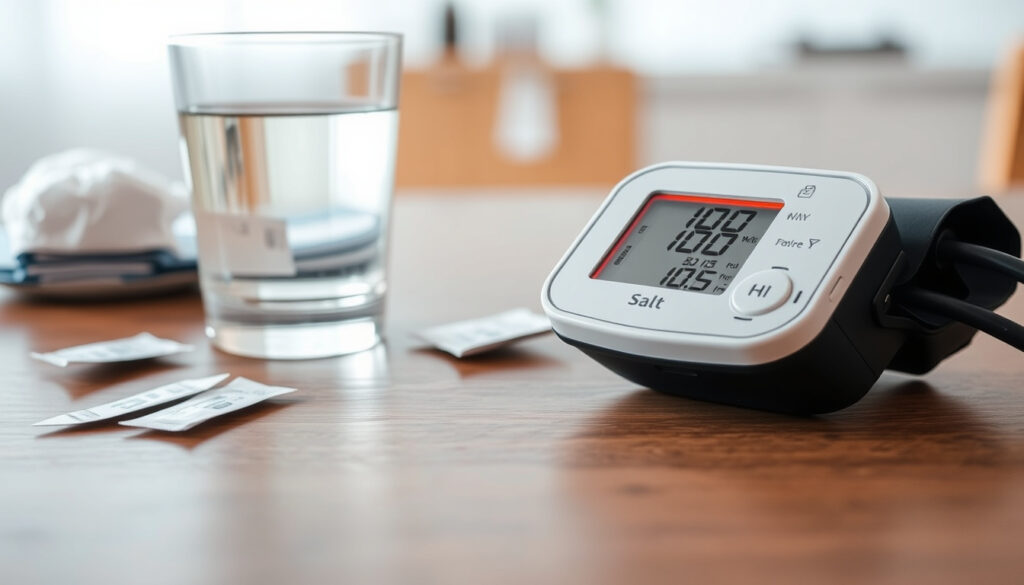
What is Low Blood Pressure – Causes, Symptoms, and Treatment
Low blood pressure, or hypotension, is often viewed as less concerning than high blood pressure, but for some people it can cause significant symptoms or point to a deeper health issue. Understanding what low blood pressure actually means requires looking beyond the numbers on the monitor.
The medical consensus defines hypotension as a reading consistently below 90/60 mm Hg. However, the mere presence of that number does not automatically signal danger. Many individuals, especially young, healthy adults, operate at these lower levels without any negative effects. The critical factor is whether the blood pressure is delivering enough oxygen-rich blood to the brain and other vital organs.
A sudden drop can be alarming, while a chronic low reading might require little more than monitoring. The context—why it is happening and how the person feels—is what separates a benign variation from a medical concern.
What is Low Blood Pressure (Hypotension)?
Low blood pressure is broadly defined as a reading of less than 90/60 mm Hg. This threshold is the standard used by major health organizations like the NHS and the American Heart Association to define hypotension. A normal reading generally falls between 90/60 and 120/80 mm Hg.
Key Insights:
- Low blood pressure is medically defined as a reading of less than 90/60 mmHg, but it is only considered problematic when symptoms are present.
- Orthostatic hypotension is the most common symptomatic form, often triggered by standing up quickly, dehydration, or certain medications.
- Unlike high blood pressure, low BP is rarely chronic; most cases are acute or situational, but severe cases can signal internal bleeding or heart issues.
- Treatment is not about medication for most people; lifestyle interventions (hydration, salt intake, compression stockings) are the first-line approach.
- The number alone is not the emergency; the presence of confusion, fainting, or shock is.
- Pregnancy and aging naturally alter blood pressure, making context essential.
- Medication review is a crucial step when new or worsening symptoms appear.
| Metric | Value |
|---|---|
| Normal Range | 90/60 to 120/80 mmHg |
| Hypotension Threshold | < 90/60 mmHg |
| Emergency Threshold | < 80/50 mmHg with symptoms |
| Most Affected Groups | Elderly, pregnant women, people on diuretics |
| Common Test | NIBP, tilt table test for orthostatic |
What Causes Low Blood Pressure?
The causes of low blood pressure are diverse and often overlap. Dehydration is one of the most frequent triggers because it reduces the total volume of blood circulating in the body. This can result from vomiting, diarrhea, fever, strenuous exercise, or simply not drinking enough fluids. The Mayo Clinic notes that diuretic medications can also contribute to this fluid loss.
What is orthostatic hypotension?
This is a specific subtype where blood pressure drops sharply when a person stands up. The drop is typically at least 20 mm Hg systolic or 10 mm Hg diastolic within three minutes of standing. It is particularly common in older adults and those taking certain medications. Changes in position cause blood to pool in the legs, and the body fails to compensate quickly enough.
Can medication cause low blood pressure?
Several classes of drugs can lower blood pressure as a side effect. These include medications for high blood pressure, heart failure, Parkinson’s disease, depression, anxiety, and erectile dysfunction. According to the Cleveland Clinic, a review of current prescriptions is an important step when hypotension is suspected.
Prescription and over-the-counter drugs can cause or worsen low blood pressure. Always consult a doctor before stopping or adjusting any medication, even if you suspect it is the cause.
Can heart problems cause low blood pressure?
Yes. Conditions like bradycardia (slow heart rate), heart valve issues, heart attack, and heart failure can reduce the heart’s ability to pump enough blood, leading to a drop in pressure. Other underlying causes include endocrine disorders (such as thyroid or adrenal insufficiency), severe infection (sepsis), and allergic reactions (anaphylaxis).
What Are the Symptoms of Low Blood Pressure?
Symptoms arise when the brain and other organs do not receive enough blood flow. The most frequently reported signs include dizziness and lightheadedness, especially when standing up. Other common symptoms are fainting, fatigue, blurred or fading vision, trouble concentrating, nausea, weakness, and confusion.
It is important to note that some people have low readings without any symptoms. In these cases, the condition is often not treated. The presence and severity of symptoms, rather than the exact number on the cuff, typically guide medical decisions.
A reading of 85/55 mm Hg without symptoms is usually not concerning. The same reading with dizziness, fainting, or confusion requires a medical evaluation.
Is Low Blood Pressure Dangerous?
Low blood pressure becomes dangerous when it causes symptoms like dizziness, fainting, or confusion, or when it results from a serious underlying condition. A sudden, significant drop can be life-threatening, particularly if caused by severe bleeding, sepsis, or anaphylaxis. Medical News Today lists symptoms such as confusion, heart palpitations, and pain in the back or neck as potential indicators of dangerously low pressure.
There is no single blood pressure number that defines an emergency by itself. The context is everything. Signs of shock (cold, clammy skin, rapid breathing), collapse, or an inability to wake someone require immediate emergency care, even if a precise reading is unavailable.
How to Raise Low Blood Pressure (Treatment Options)
For most people, treatment focuses on lifestyle adjustments rather than medication. The goal is to increase blood volume or improve circulation. Simple daily changes can often make a significant difference.
How to raise blood pressure naturally
- Drink more water. Increasing fluid intake boosts blood volume and combats dehydration.
- Stand up slowly. Changing positions gradually gives your body time to adjust.
- Eat small, frequent meals. Large meals can divert blood to the digestive system, causing postprandial hypotension.
- Limit alcohol. Alcohol can worsen dehydration and lower blood pressure further.
- Use compression stockings. These improve blood return from the legs, reducing pooling.
- Avoid long periods of inactivity. Regular, moderate exercise helps maintain cardiovascular function.
- Increase salt intake only if advised by a doctor. Salt can raise blood pressure, but it may not be safe for everyone.
Only increase salt in your diet if a clinician specifically recommends it. Excessive sodium can lead to heart problems or high blood pressure in other individuals.
When to see a doctor
Medical attention is warranted for recurrent or severe dizziness, fainting, weakness, blurred vision, confusion, or fatigue linked to low blood pressure. The British Heart Foundation advises that persistent symptoms like fainting should be evaluated by a GP. The Mayo Clinic warns that even a single sudden drop can be dangerous, so persistent symptoms deserve a thorough check-up.
Disease Progression Timeline
Hypotension often follows a pattern of increasing severity. Recognizing the stages can help determine when to take action.
- Pre-hypotension: BP 90/60-100/70, asymptomatic. No intervention needed.
- Mild hypotension: BP 80/60-90/60, occasional dizziness. Lifestyle changes may help.
- Moderate hypotension: BP 70/50-80/60, frequent fainting, low energy. Medical evaluation recommended.
- Severe/Emergency: BP < 70/50, confusion, shock risk. Hospital treatment required.
What We Know and What Remains Unclear
Medical understanding of low blood pressure is strong in some areas, but gaps remain.
| Established Information | Information That Remains Unclear |
|---|---|
| Low BP is defined as < 90/60 mmHg (NHS, AHA consensus) | Exact “normal by age” ranges vary by population and study |
| Orthostatic hypotension causes dizziness and fainting | Long-term effects of chronic asymptomatic hypotension are not fully characterized |
| Severe hypotension requires urgent medical attention | Relationship between low BP and dementia risk is still under investigation |
Medical and Epidemiological Context
Low blood pressure is discussed far less than hypertension, yet it transiently affects roughly 5% of the general population. In hospitalized patients, the rate can climb to 30%. In pregnancy, it is common in the first 24 weeks, with orthostatic drops often occurring in the first and second trimesters. After delivery, blood pressure typically returns to pre-pregnancy levels.
The clinical relevance extends beyond simple numbers. A differential diagnosis for unexplained low BP should consider dehydration, sepsis, heart failure, thyroid issues, and adrenal insufficiency. In older adults, postprandial hypotension (drops after eating) adds another layer of risk, particularly for falls.
Authoritative Sources and Quotes
“Low blood pressure is a reading of less than 90/60mmHg.”
NHS (nhs.uk)
“Low blood pressure is a condition in which the force of the blood pushing against the artery walls is too low.”
Mayo Clinic (mayoclinic.org)
“Blood pressure is less than 90/60 mm Hg.”
American Heart Association (heart.org)
Summary: What is the Bottom Line on Low Blood Pressure?
Low blood pressure, or hypotension, is defined by a reading below 90/60 mm Hg, but the real question is whether it causes symptoms or indicates an underlying problem. For most, simple lifestyle measures like drinking enough water, moving slowly, and wearing compression socks are the first steps. A doctor should evaluate any persistent or severe symptoms, and How to raise blood pressure naturally covers the most common safe interventions.
Frequently Asked Questions
What is normal blood pressure by age?
General adult normal is 90/60 to 120/80 mmHg. Children have lower thresholds; elderly have slightly higher systolic targets. Consult age-specific charts.
Can anxiety cause low blood pressure?
Anxiety more commonly raises BP but can cause vasovagal syncope (fainting) leading to temporary drops.
Is low blood pressure hereditary?
There is weak evidence for genetic predisposition, but family history of hypotension is rarely used as a risk factor.
Can exercise cause low blood pressure?
Exercise temporarily lowers BP post-workout; chronic hypotension may be exercise-induced in athletes.
What is considered low blood pressure during pregnancy?
Low BP is common in the first 24 weeks. Readings below 90/60 mm Hg with symptoms should be discussed with a healthcare provider.
Is 100/70 normal blood pressure?
Yes, 100/70 is within the normal range for adults and is not considered hypotension.
Can dehydration cause low blood pressure?
Yes, dehydration reduces blood volume, which is a common and direct cause of low blood pressure.
When is low blood pressure an emergency?
An emergency exists when confusion, fainting, severe bleeding, signs of shock, or trouble breathing occur, regardless of the exact reading.
What should I do if my blood pressure is 80/60?
If you feel fine, monitor for symptoms. If you feel dizzy, faint, or confused, seek medical attention promptly.
More related posts
 The Bridge Hotel and Spa – Honest Reviews and Pricing Guide
 Bath Mat Non Slip – Best Budget Picks for Safety
 William Conqueror – The Norman King’s Biography and Legacy
 Jamie Borthwick – Axed from EastEnders After 19 Years
 Scott Pilgrim vs. the World – Cast, Game, Netflix & More
 Novak Djokovic – Complete Biography and 2025 Career Update
 David Goggins – Age, Net Worth, and Transformation Story
 Lee Min-Ho – From South Korea to the World